
All Stories

Turn the Diamond Sideways With Ritani Step-Cut Lab-Grown Pendants
Ritani introduces a collection of step-cut lab-grown diamond pendants featuring pear, oval, and marquise shapes, exploring how rotating elongated diamonds ninety degrees (east-west) dramatically alters their visual impact and styling. The article also highlights the design influence of bezel settings and metal choices on these unique pendants.

How Two Enzymes Take a Polyester-Cotton Blend Apart — and Give You Glucose and Plastic Monomers Back
A novel dual-enzyme system selectively breaks down polyester-cotton blends, converting cotton into glucose and polyester into its original plastic monomers. This enzymatic approach offers a low-energy, modular pathway for recovering valuable materials from blended textile waste, overcoming limitations of traditional mechanical recycling.

How to Spot Art Deco Textile Patterns—and Use Them in Modern Fashion and Interiors
Recognize Art Deco patterns by their disciplined geometry, strict symmetry, and graphic precision, often featuring motifs like sunbursts and zigzags. Adapt these elements with modern materials and cleaner treatments to integrate their luxury and order into contemporary fashion and interiors.
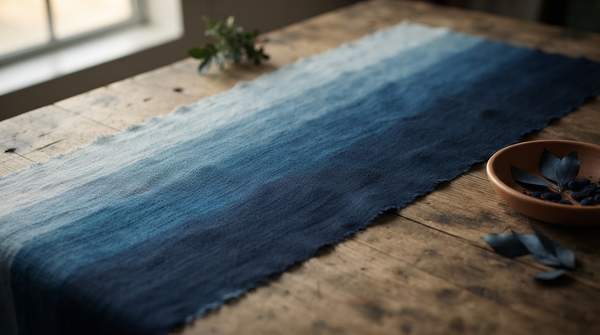
Natural vs. Low-Impact Synthetic Dyes: How to Choose the Right Sustainable Color for Your Textiles
Choosing between natural and low-impact synthetic dyes involves trade-offs: natural dyes offer renewable sourcing but face challenges in performance and scale, while low-impact synthetics provide durability and consistency with a reduced environmental footprint. The right choice depends on brand priorities, production volume, and verifying claims through third-party certifications.
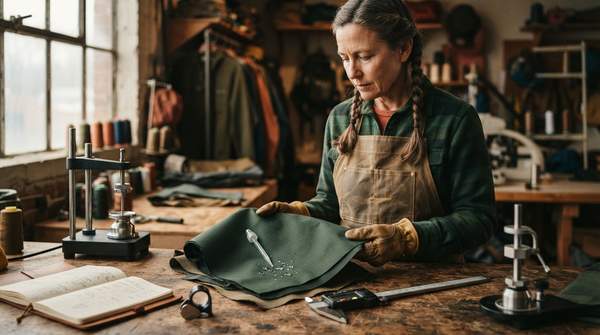
Five Fabric Features That Decide Whether Your Outdoor Kit Works: A Measurement Guide
Choosing technical outdoor apparel hinges on understanding five key fabric features: water resistance, breathability, durability, weight, and moisture management. This guide explains their standard industry measurements and how to prioritize them based on your specific outdoor activity.

5 Ways Ginni Australia Elevates Your Style With Cotton Quilted Bags
Finding accessories that are both beautiful and built for the chaos of daily life can be a constant challenge. You need pieces that not only complement your look but also perform flawlessly, from work mornings to weekend…

Why the Trench Coat Looks the Way It Does: A Military Blueprint That Became Fashion
The classic trench coat's enduring design features, from epaulettes to D-rings, originated as practical solutions for British officers in WWI, engineered for weather protection and gear carrying. This functional blueprint, combined with innovative gabardine fabric, transitioned from military utility to a symbol of enduring style and heritage.
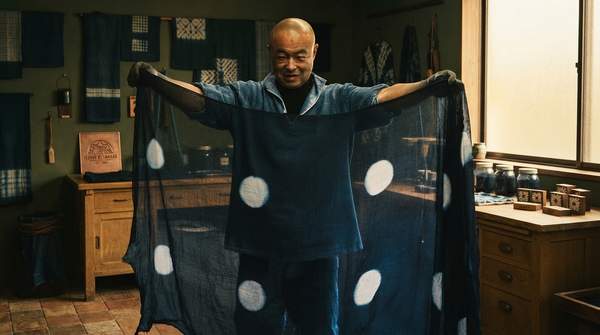
Three Traditions, One Palette: Comparing Chinese Silk Dyeing, Japanese Aizome and Indian Block Printing
This article compares three distinct Asian natural dyeing traditions: Chinese silk dyeing, Japanese Aizome, and Indian block printing. It explores their unique materials, historical evolution, and the ongoing efforts to preserve these rich textile crafts.
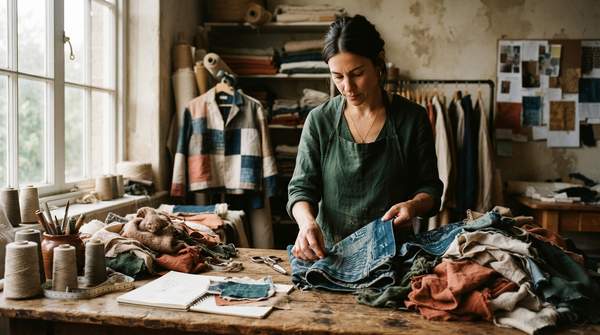
How to Assess Textile Waste and Choose the Right Upcycling Technique
Upcycling transforms textile waste into higher-value products by matching materials to specific design techniques. This article provides a framework for assessing textile waste and selecting the most suitable upcycling method.
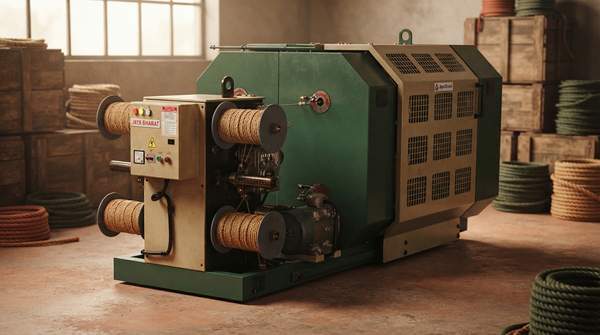
Why Opposite Twists Make a Yarn Stable: S, Z, and the Engineering of Ply
Yarn stability is achieved by plying single yarns in the opposite direction of their initial twist, a principle that neutralizes internal torque. This fundamental engineering concept dictates whether a yarn is best suited for firm woven fabrics or soft knitted ones.

How to Choose Minimalist Jewelry for Everyday Elegance
Discover how to select minimalist jewelry that offers versatility and elegance for your everyday wardrobe. The key is to consider factors like styling possibilities, proportions, and materials to build a refined collection.
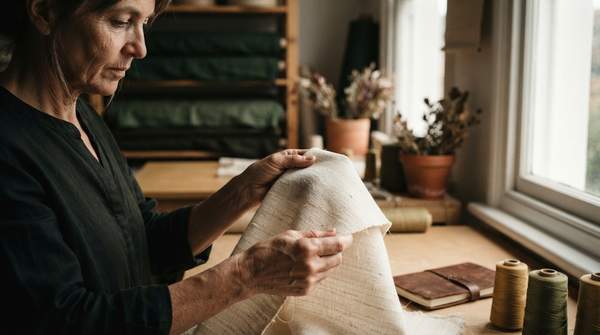
How OEKO-TEX and GOTS Certifications Help You Spot Real Sustainability in Textiles
Navigate textile sustainability claims by looking for third-party certifications like OEKO-TEX Standard 100 and GOTS. These labels offer verifiable proof of product safety and ethical, organic production, helping consumers avoid greenwashing.

Five Features That Decide Your Next Travel Bag: A Trade-Off Guide for Business, Adventure, and Family Travelers
Choosing the right travel bag involves evaluating material, organization, and mobility features against your specific travel style. This guide helps you understand the trade-offs for business, adventure, and family travelers to make a confident, functional choice.

Silk, Satin, or Cotton? The Material Science Behind a Better Pillowcase
Understand the material science behind silk, satin, and cotton pillowcases to make an informed choice for your hair and skin. Learn how fiber type and weave affect friction and moisture retention for better overnight results.
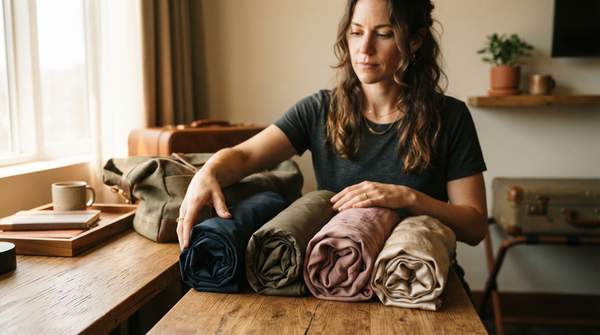
Polyester, Nylon, Tencel, or Silk? Picking the Right Fabric for How You Actually Travel
Polyester and nylon excel in wrinkle resistance, drying speed, and durability for active and one-bag trips. Tencel offers comfort for warm, relaxed itineraries, while silk is a luxury choice for low-demand scenarios, with the best fabric depending on your trip's specific needs.
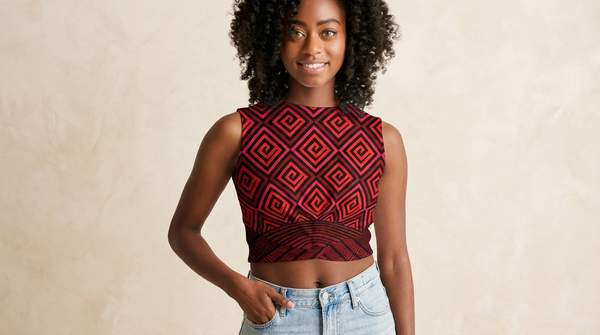
Wearable Art With Meaning: Why Shoppers Choose Pat Sutton Designs
Pat Sutton Designs creates expressive wearable art, blending fashion with original artwork influenced by African and Caribbean culture. The brand's philosophy, "DARE TO BE DIFFERENT™," resonates with shoppers seeking meaningful garments that reflect personal style and cultural identity.
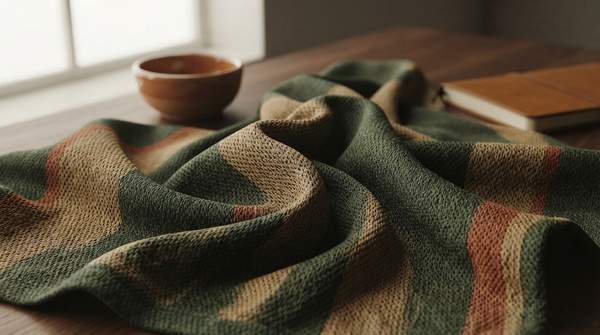
How Quick-Dry Fabrics Work: The Three-Stage Science of Wicking, Transport, and Evaporation
Quick-dry fabrics work through a three-stage process: wicking moisture from the skin, transporting it through the fabric via capillary action, and accelerating evaporation from the surface. Understanding the science behind fiber chemistry, yarn engineering, and fabric construction allows for effective evaluation of performance garments.

From Hand Throwing to Punched Cards: How the Loom Became a Machine That Programmed the Factory Age
The history of the loom showcases a series of mechanical leaps, from manual operation to automated machines, fundamentally reshaping textile production. Innovations like the flying shuttle, power loom, and Jacquard's punched-card mechanism not only revolutionized weaving speed and pattern complexity but also paved the way for the factory age and early computing.
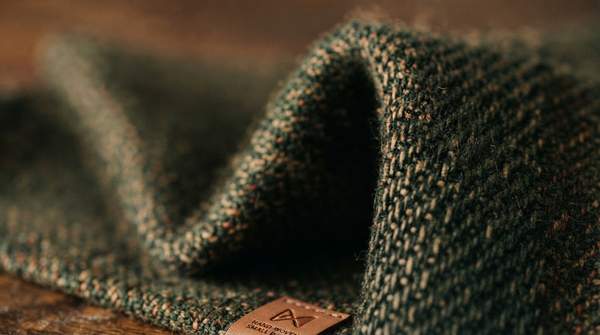
Five Forces Behind the Bio-Based Textiles Boom: Which Driver Moves Investment, Innovation, and Adoption
The bio-based textiles market is driven by four key forces: consumer demand, government regulations, corporate ESG commitments, and fiber technology advances. Understanding their distinct impacts on investment, innovation, and adoption is crucial for strategic market navigation.
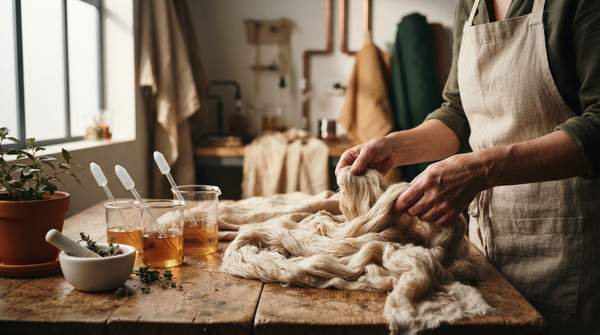
How Amylases, Pectinases and Cellulases Replace Harsh Chemicals in Textile Processing
Enzymes like amylases, pectinases, and cellulases are replacing harsh chemicals in textile processing for desizing, scouring, and biopolishing. This shift significantly reduces water and energy consumption, leading to cleaner wastewater and more sustainable textile manufacturing.

How to Choose Timeless Jewelry From Diamonds by Daisy
What to Look for When Choosing Fine Jewelry Selecting fine jewelry that will stand the test of time involves more than just aesthetics; it's an investment in quality and craftsmanship. For those starting their collection…
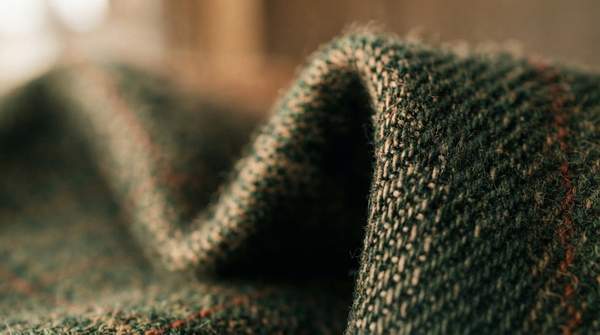
Bio-Based Textiles Compared: How Source and Production Type Shape Sustainable Material Choice
Bio-based textiles are classified into natural, semi-synthetic, and synthetic categories, with their source and production method significantly shaping their properties, applications, and sustainability profiles.

Why Your Facial Cleansing Cloth's Fiber and Weave Decide How Well It Cleans
The effectiveness of your facial cleansing cloth depends on its fiber type and weave structure, not just the brand. Understanding how synthetic microfiber, bamboo, and cotton fibers physically trap and remove impurities helps you choose the best cloth for your skin.
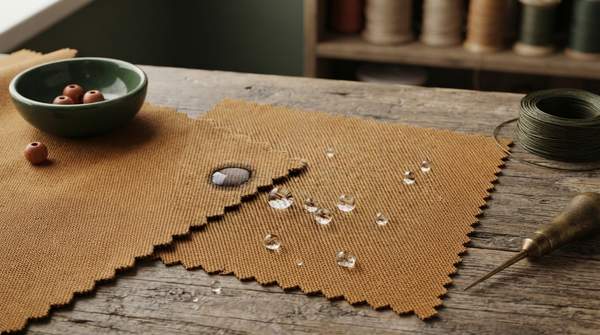
Breathability Is Two Different Processes: How Fiber, Yarn, Weave, and Finish Control Moisture Vapor and Airflow in Fabric
Fabric breathability is not a single property but a combination of two distinct processes: moisture vapor transmission and air permeability. The article explains how fiber, yarn construction, fabric structure, and finishing treatments collectively influence these mechanisms to control textile comfort.