
All Stories
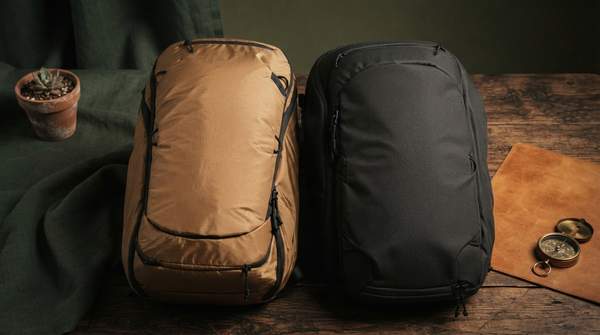
Five Fabric Features That Decide Whether Your Travel Gear Lasts: Nylon, Polyester, and How to Read the Tag
Understand how key fabric properties like abrasion resistance, tear strength, and water resistance determine the longevity of your travel gear. Compare nylon and polyester to choose the best material for backpacks, packing cubes, and other accessories.

Best Fabrics for Travel Clothes: How to Choose Between Synthetics, Tencel, and Merino
Choosing the best travel fabric depends on your priorities, whether it's fast drying, odor resistance, or comfort. This guide compares synthetics, Tencel, and Merino wool to help you build a smart travel wardrobe.
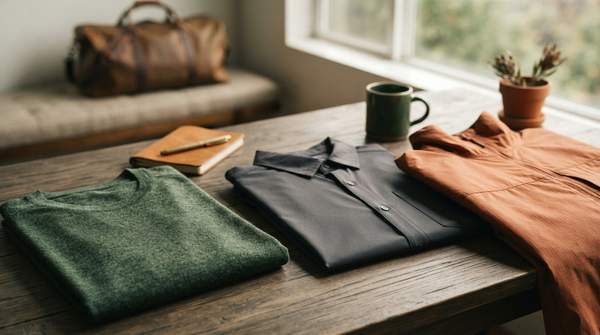
Merino Wool vs. Polyester vs. Nylon: Which Fabric Should You Pack?
Selecting the ideal travel fabric hinges on your trip's demands, as Merino wool excels in odor control and temperature regulation, while polyester and nylon offer superior drying speed and wrinkle resistance.
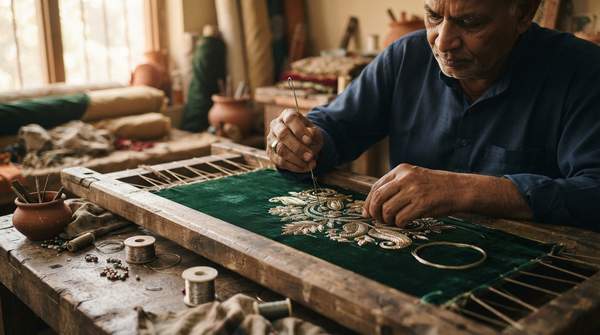
Zardozi Decoded: The Frames, Hooked Needles and Coiled Wires Behind India's Metallic Embroidery
Zardozi embroidery is defined by a precise vocabulary of metallic threads like dabka and salma, and tools such as the Adda frame and Aari hooked needle. Understanding these components reveals the intricate craftsmanship behind this labor-intensive luxury textile art.

Before the Furniture Arrives, Artist Painters Can Repaint Your Chicago Home
Before you move into your new Chicago home, consider repainting empty rooms to easily refresh your space and make it feel like yours. Artist Painters offers residential interior painting services, including color guidance and surface preparation, to help you transform your home before furniture arrives.
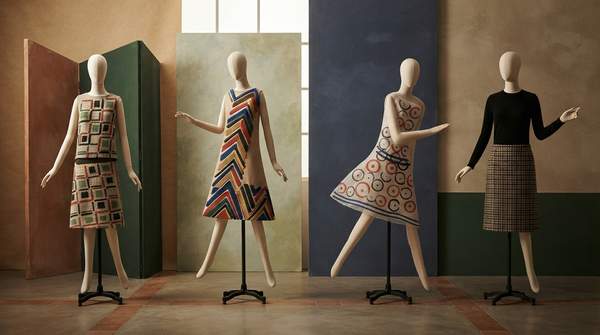
Five Ways to Read an Art Deco Textile: Chevron, Sunburst, and the Patterns That Defined the Style
Art Deco textiles are categorized into identifiable archetypes like chevron, sunburst, and stylized natural forms. This guide explains their visual characteristics and the historical influences that shaped these iconic patterns.

From DNA to Fiber: How Synthetic Spider Silk Is Engineered
Synthetic spider silk is engineered through a four-stage bio-engineering process: gene design, protein expression, purification, and fiber spinning. While significant progress has been made in mimicking its strength and toughness, replicating natural silk's complex structure and efficient production at scale remains a key challenge.
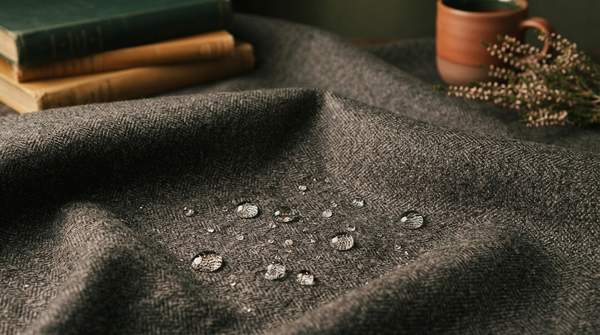
How Textile Finishes Change Fabric: A Category-by-Category Guide to Predicting Performance
Textile finishing transforms raw fabric into material with specific aesthetic and functional properties. Understanding the categories of finishes—mechanical, chemical, and biological/enzymatic—allows for accurate prediction of a fabric's performance and characteristics for its intended use.
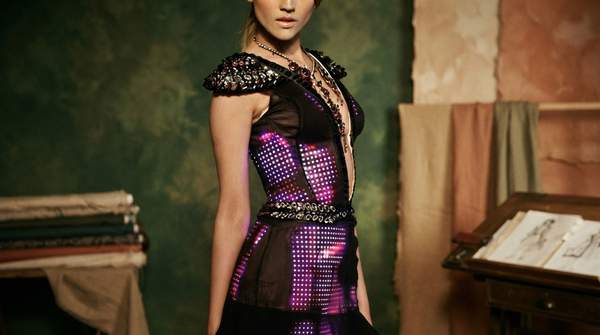
NUS Unveils World's First Touchscreen Garment
Researchers at NUS have developed the world's first touchscreen garment, integrating electronic functions directly into fabric fibers. This washable, flexible sleeve displays images, responds to touch, and connects wirelessly, marking a significant step for wearable technology and health monitoring.

EMSCULPT NEO vs. SculpSure: An Honest Comparison by San Diego Body Sculpting (Which is Right for You?)
EMSCULPT NEO and SculpSure are popular non-surgical body sculpting treatments, but they target different aspects: SculpSure uses laser lipolysis for fat reduction, while EMSCULPT NEO combines radiofrequency for fat reduction with HIFEM+ technology to build muscle. This article offers an honest comparison to help you choose the right treatment for your goals.
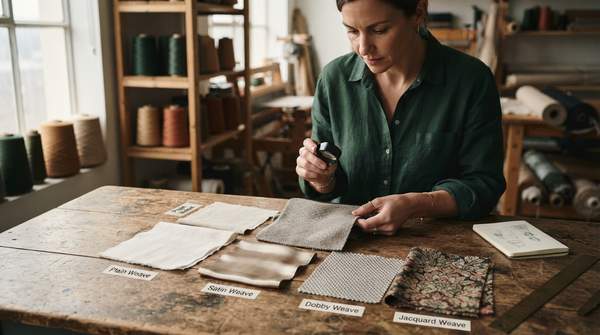
Plain, Twill, Satin, Dobby, or Jacquard? How Weave Structure Decides Your Fabric's Performance
Understanding fabric weave structures like plain, twill, satin, dobby, and jacquard is crucial for selecting materials that perform optimally. This guide explains the typical properties of each weave, helping you match fabric structure to your project's functional requirements for durability, drape, and appearance.
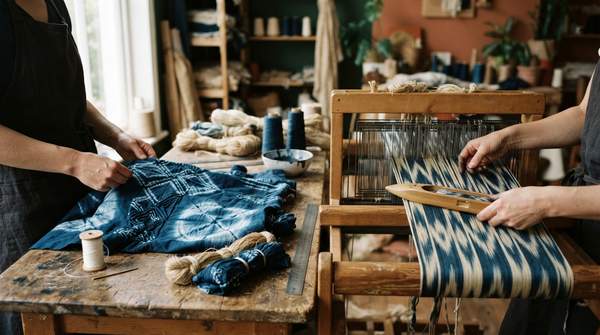
Shibori vs. Ikat: The Difference Is When the Resist Is Applied
The primary distinction between Shibori and Ikat lies in the timing of the resist-dyeing process: Shibori manipulates finished woven cloth, while Ikat dyes individual threads before they are woven into fabric.
5 Essential Features for a Sustainable Travel Wardrobe: Which Fabrics Actually Deliver
Choosing fabrics for a sustainable travel wardrobe involves balancing performance needs like durability and moisture-wicking with environmental impact. The article recommends merino wool and recycled synthetics for performance, organic cotton and silk for comfort, and suggests monitoring emerging eco-friendly materials.

Drape, Durability, or Easy Care? The Five Fabric Properties That Decide Your Capsule Wardrobe
Building a functional capsule wardrobe relies on understanding five core fabric properties: drape, durability, breathability, wrinkle resistance, and ease of care. This guide compares cotton, linen, wool, silk, and Tencel to help you match fabric to garment function.

White Oak or Walnut? Inside Paula Ambrosio Interiors’ 3D Interior Design Process
For luxury residential clients, making high-stakes decisions on materials can be daunting. The subtle warmth of white oak versus the rich depth of walnut for custom millwork is a choice that defines a space, yet it's oft…
5 Metrics That Reveal a Textile Supplier's Real Sustainability Performance
Evaluate textile supplier sustainability using five key metrics: water, energy, waste, chemical management, and social conditions. Industry frameworks like Higg Index, ZDHC, and GRI provide verifiable data for accurate assessment.
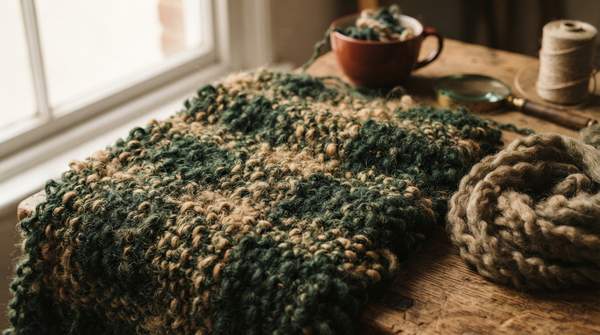
Why Crimped Fibers Make Warmer, Stretchier, Fuller Fabrics
Fiber crimp, the natural waviness in individual fibers, is the key to fabrics' warmth, elasticity, and fullness by trapping insulating air and providing a spring-like structure. Understanding this microscopic geometry helps predict fabric performance, balancing properties like loft and insulation against smoothness and drape.
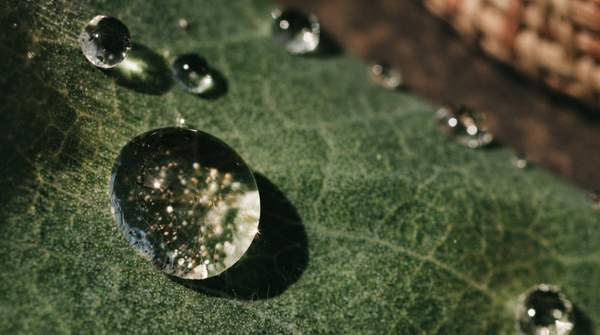
How the Lotus Leaf and Spider Silk Teach Fabrics to Clean Themselves and Last Longer
Biomimicry, inspired by nature's designs like the lotus leaf and spider silk, is revolutionizing textile innovation, translating into fabrics with enhanced self-cleaning, stain-repellent, and superior durability properties.
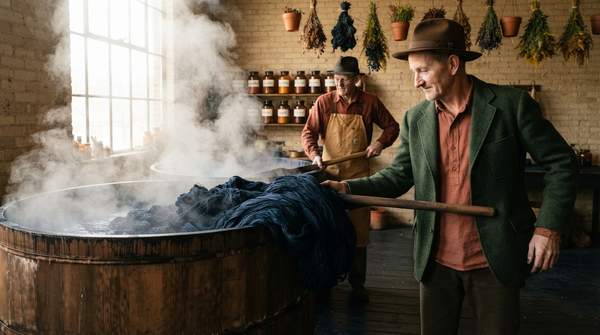
Natural Dyes Are Not Automatically Greener: The Real Trade-Offs in How We Color Cloth
Natural dyes are often perceived as environmentally friendly, but they present their own challenges, including pesticide use, high resource demand, and effluent from mordants. Synthetic dyes, while linked to fossil fuels and water pollution, offer consistency and vibrancy, meaning neither is automatically greener.
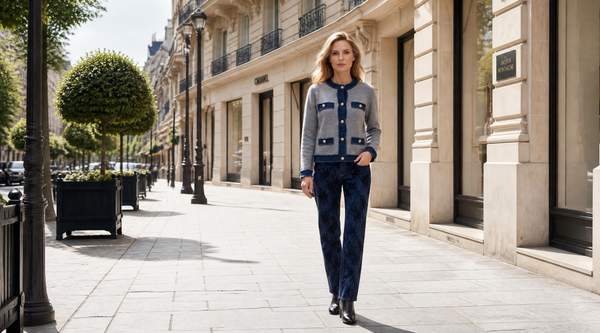
7 Essential Pieces for an Effortlessly Chic 'French Girl' Look
Discover the secret to the coveted "French Girl" look with these seven essential pieces that embody effortless elegance and timeless style. This guide focuses on building a curated wardrobe of foundational items that seamlessly work together.
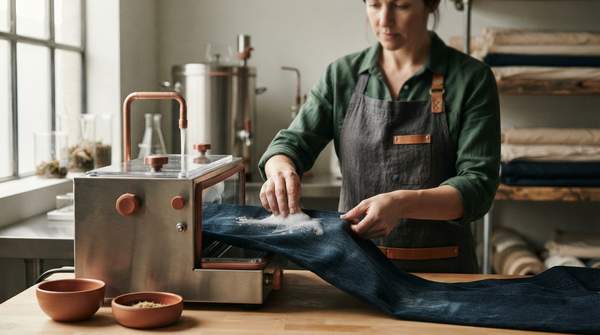
How Enzymes Are Replacing Harsh Chemistry in Textile Finishing — and What It Saves
Enzymes are replacing harsh chemicals in textile finishing processes like desizing, scouring, and biopolishing. This shift to biological catalysts working at mild temperatures and neutral pH significantly reduces water, steam, energy consumption, and effluent.

How the Little Black Dress Became Fashion's Enduring Canvas
The Little Black Dress (LBD) has endured for nearly a century by acting as a versatile "canvas" for designers to express evolving fashion philosophies through silhouette and material. From Coco Chanel's initial vision to modern interpretations by Alaïa, Bottega Veneta, and The Row, its adaptability defines its iconic status.

From Persian Boteh to Global Paisley: How a Teardrop Motif Traveled the World and Changed Its Meaning
The swirling teardrop known as paisley began as the Persian boteh, traveling through India, Europe, and global subcultures to become a timeless fashion motif. Its meaning evolved from ancient symbolism to markers of luxury, exoticism, and countercultural rebellion.

Three Textile Innovation Categories Reshaping Couture: A Designer's Comparative Guide
Couture is being reshaped by three textile innovation categories: bio-fabricated materials, smart textiles, and advanced recycled fibers. This guide compares their aesthetic potential, technical performance, and sustainability for designers.