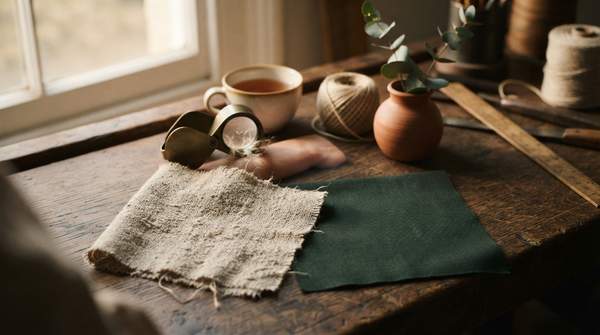

When you wipe your face with a cleansing cloth, the result depends less on the brand name and more on two physical facts: what the cloth is made of, and how its fibers are structured. A split synthetic microfiber traps oil and makeup through millions of microscopic channels. A bamboo blend offers softness plus natural antibacterial agents. A cotton cloth cleans traditionally but holds moisture longer. Understanding these differences lets you match a cloth to your skin instead of guessing at marketing claims.
Understanding Facial Cleansing Cloths: Beyond the Surface
Facial cleansing cloths look simple, but they are engineered textiles. Microfiber cleaning cloths, invented in the 1950s, are created from synthetic materials like polyester and nylon, heated and forced through a small pipe in a process called extruding, then split into tiny widths of between five and three microns, according to cleaning-science publisher Kaivac. Some manufacturers go even smaller, producing fibers a mere .33 microns across. That fineness is the foundation of everything the cloth does on your skin.
Why does this matter for your face? Because the same properties that let a cloth lift soil from a surface also determine how it lifts sebum, sunscreen, and makeup from your skin—and how gently it does so. A cloth's material and structure, not its label, dictate its cleaning and exfoliating behavior.
The Science of Clean: How Fibers Work
Two mechanisms do most of the work. First, mechanical trapping: the tiny fibers suck up and hold onto microscopic bits of dirt, soil, and bacteria using adhesive van der Waals forces, as Kaivac's cleaning-science explainer describes. Second, capillary action: split fiber structures create millions of microscopic capillary channels across the surface, which pull micro particles and microbes deeply into the textile weave, as described in a KINGMAX technical article on bamboo microfiber.
Here is the crucial distinction: for microfiber to be most effective as a cleaning product, especially for water-soluble soils and waxes, it should be a split microfiber. Non-split microfiber, as Wikipedia's microfiber entry puts it, is "little more than a very soft cloth." The structure traps and retains dirt and also absorbs liquids. When buying, microfiber may not be labeled to designate whether it is split; one method to determine the type is to run the cloth over the palm of the hand.
Synthetic Microfiber: Precision Cleaning
Synthetic microfiber is the precision instrument of the group. Its split fibers create enormous surface area at microscopic scale, so the cloth grabs oil, dirt, and makeup particles and holds them inside the weave rather than smearing them across your skin. Unlike cotton, microfiber leaves no lint, Wikipedia notes.
There is a notable exception worth knowing. Wikipedia's entry describes higher-end proprietary woven, 100% polyester cloths using 2 μm filaments that absorb skin oils (sebum), sunscreens, and similar substances without smearing. The takeaway for you: a well-made split polyester or polyester/nylon microfiber cloth is the strongest choice for heavy makeup and oil removal, because its mechanism physically captures what your cleanser loosens.
Bamboo Fiber: Natural Efficacy and Gentleness
Bamboo occupies a middle ground. Bamboo microfiber cloth shares the split-fiber geometry of its synthetic cousin—KINGMAX describes the same capillary channels and mechanical trapping, with high-density 400gsm construction maximizing physical surface contact during wiping. So it cleans by the same physical principles, not by chemistry alone.
What bamboo adds is biological. Raw bamboo contains antibacterial agents bound within its matrix, and these internal agents exhibit persistent antibacterial characteristics, so bamboo-derived products may retain significant efficacy against E. coli populations during prolonged use, according to KINGMAX. This contrasts with surface-applied antibacterial treatments, which may lose efficacy after several wash cycles. Natural fibers possess antibacterial characteristics through built-in phenolics, the same article notes. A Cariloha piece by Josh Kikkert makes the hygiene case from the consumer side: bamboo's natural antimicrobial bio-agents help reduce bacteria that thrive on materials and on human skin, which is why bamboo items resist odors.
For sensitive skin, KINGMAX adds a relevant caution: chemically treated synthetic fabrics may provoke skin irritation and allergic reactions in some individuals. Bamboo products are also found in blends—one MDSolarSciences cleansing cloth is crafted from organic cotton and bamboo fibers in a dual-sided design, offering a softer touch for wicking away moisture and a gentle exfoliating surface.
Cotton: Traditional Approach and Considerations
Cotton is the familiar baseline. It absorbs liquids well and has served facial cleansing for generations. But the comparative reporting on bamboo highlights cotton's weaknesses: it retains moisture longer, which can lead to odor development, and its texture can be rougher on the skin than advanced microfiber or bamboo options. Wikipedia adds that cotton leaves lint where microfiber does not.
None of this makes cotton a bad choice. It means cotton is a traditional, breathable option whose gentleness depends heavily on weave and quality, and whose main trade-offs are slower drying and less sophisticated particle capture.
Comparative Guide to Facial Cleansing Cloth Materials
The table below synthesizes the physical structure and composition of each material type from the evidence above, so you can compare them directly against your own priorities—makeup removal, gentleness, or hygiene.
| Material Type | Primary Cleansing Mechanism | Typical Texture/Exfoliation | Key Properties | Best For |
|---|---|---|---|---|
| Synthetic microfiber (polyester/nylon) | Split fibers create capillary channels that trap and retain dirt, oil, and makeup via van der Waals forces | Very fine fibers (3–5 microns, some .33); soft, lint-free | High surface area; absorbs liquids; non-split versions clean poorly | Heavy makeup and oil removal; thorough daily cleansing |
| Bamboo fiber (often in blends) | Split-fiber microstructure with capillary channels; mechanical trapping plus moisture wicking | Soft and gentle; dual-sided versions offer varied exfoliation | Natural antibacterial agents bound in the fiber matrix; persistent efficacy reported against E. coli | Gentle cleansing for sensitive skin; hygiene-conscious users |
| Cotton | Traditional absorption of liquids and soils | Texture varies by weave; can be rougher than microfiber or bamboo | Familiar and breathable; retains moisture longer, may develop odor; leaves lint | Traditional cleansing; those preferring natural, uncomplicated fibers |
Read the table by mechanism first. If your priority is removing waterproof makeup or sunscreen, the split-fiber capillary mechanism is what you need. If your priority is gentleness with hygiene, bamboo's combination of softness and built-in antibacterial agents fits. If you want a simple, familiar cloth and don't mind slower drying, cotton remains serviceable.
Choosing Your Ideal Cleansing Cloth
Select a facial cleansing cloth based on its fiber type and physical structure to match specific skincare needs, such as makeup removal, gentle cleansing, or exfoliation. Practically: check whether a microfiber cloth is split (run it over your palm if the label is silent), look for bamboo blends when sensitivity and odor resistance matter, and weigh cotton's moisture retention against its familiarity.
The measure of a good choice is concrete: the chosen cloth effectively removes impurities without irritation, and its material properties—absorbency, softness, quick-drying behavior—align with your daily use and maintenance expectations. If a cloth smears makeup rather than lifting it, or stays damp and sour between uses, its structure is telling you something. Match the mechanism to the job, and the cloth earns its place in your routine.