
Fatima Al-Jamil
Editorial byline
Fatima Al-Jamil is an editorial byline for Threads & Fabric, with a focus on Supply Chain, Artisan Spotlight, Heritage & Craft. Biographical credentials and external profiles are published only after verification.
Learn more about our editorial process and use of automation in our AI & Automation disclosure.
Coverage Areas
Latest Articles
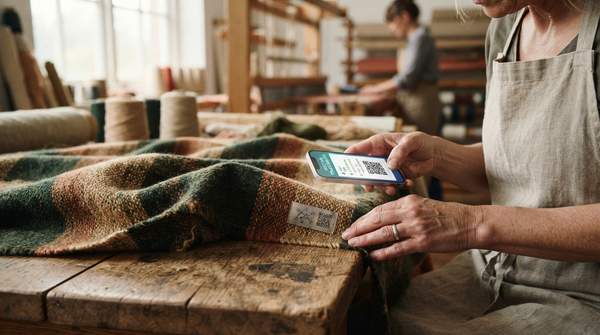
How Blockchain Verifies Ethical Sourcing, Stops Counterfeits, and Opens Fashion's Opaque Supply Chains
Blockchain technology offers fashion supply chains a powerful solution for verifying ethical sourcing, combating counterfeits, and enhancing transparency through immutable ledgers and cryptographic security. While not yet a holistic industry solution, its mechanisms provide traceable facts and verifiable authenticity.
Nov 6, 2026 · 6 min read
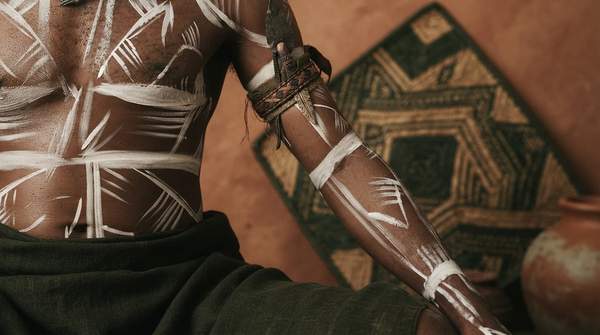
From Tree to Textile: The Enduring Craft and Modern Revival of Ugandan Barkcloth
Ugandan barkcloth, one of humanity's oldest textiles, is a sustainable fabric made from the inner bark of the Mutuba tree, traditionally crafted by the Baganda people. This ancient craft, recognized by UNESCO, is experiencing a modern revival in art, design, and sustainable fashion.
Nov 1, 2026 · 5 min read
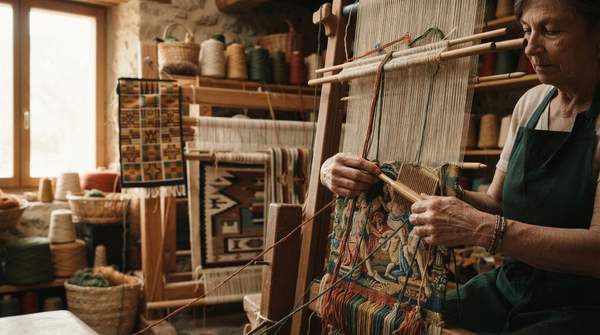
How Looms and Weft Define the World's Great Tapestry Traditions: Gobelins, Kente, and Navajo
Tapestry weaving traditions are distinguished by loom orientation, fabric structure, and textile use, with examples like Gobelins, Kente, and Navajo showcasing how these technical choices shape their unique visual identity and cultural significance.
Nov 1, 2026 · 6 min read
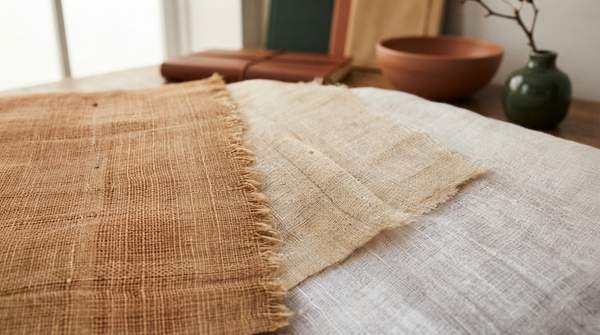
What Is Khadi? India's Hand-Spun, Hand-Woven Fabric, From Freedom Movement to Slow Fashion
Khadi is a unique Indian textile defined by its hand-spun yarn and hand-woven cloth, distinguishing it from machine-made fabrics. Beyond its technical definition, Khadi embodies a rich history as a symbol of Indian independence and a vital component of sustainable fashion and rural artisan livelihoods today.
Oct 31, 2026 · 5 min read
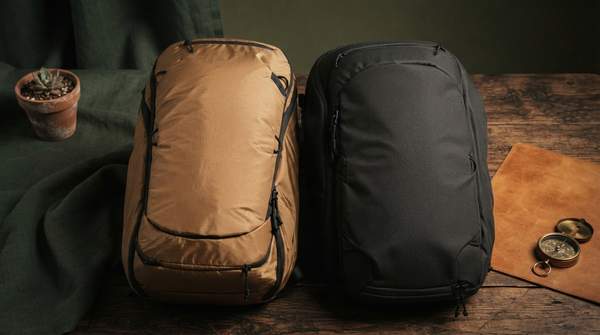
Five Fabric Features That Decide Whether Your Travel Gear Lasts: Nylon, Polyester, and How to Read the Tag
Understand how key fabric properties like abrasion resistance, tear strength, and water resistance determine the longevity of your travel gear. Compare nylon and polyester to choose the best material for backpacks, packing cubes, and other accessories.
Oct 30, 2026 · 4 min read
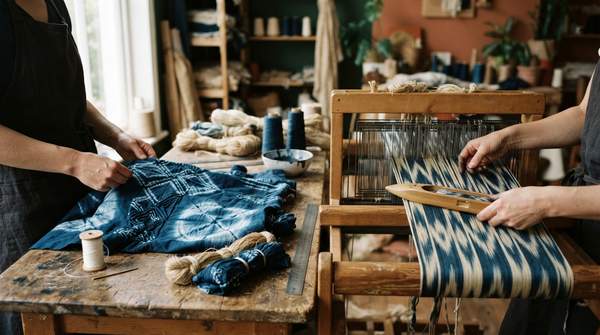
Shibori vs. Ikat: The Difference Is When the Resist Is Applied
The primary distinction between Shibori and Ikat lies in the timing of the resist-dyeing process: Shibori manipulates finished woven cloth, while Ikat dyes individual threads before they are woven into fabric.
Oct 29, 2026 · 4 min read
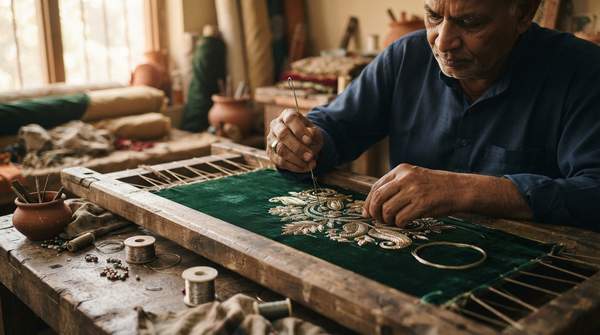
Zardozi Decoded: The Frames, Hooked Needles and Coiled Wires Behind India's Metallic Embroidery
Zardozi embroidery is defined by a precise vocabulary of metallic threads like dabka and salma, and tools such as the Adda frame and Aari hooked needle. Understanding these components reveals the intricate craftsmanship behind this labor-intensive luxury textile art.
Oct 29, 2026 · 6 min read
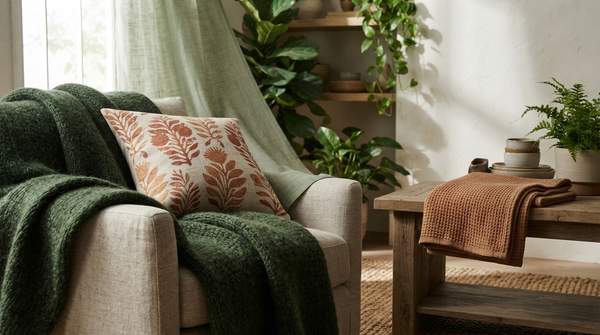
Five Textile Choices That Turn a Room Into a Biophilic Retreat
Create a biophilic retreat in your home by choosing textiles that connect you to nature. This guide explores breathable natural fibers like linen, organic cotton, and wool, alongside nature-inspired patterns and thoughtful layering for a multi-sensory experience.
Oct 28, 2026 · 5 min read
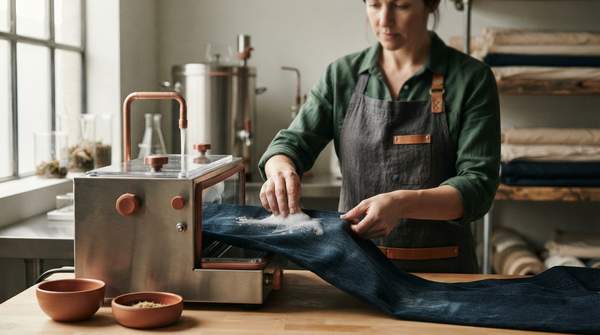
How Enzymes Are Replacing Harsh Chemistry in Textile Finishing — and What It Saves
Enzymes are replacing harsh chemicals in textile finishing processes like desizing, scouring, and biopolishing. This shift to biological catalysts working at mild temperatures and neutral pH significantly reduces water, steam, energy consumption, and effluent.
Oct 27, 2026 · 4 min read

From Persian Boteh to Global Paisley: How a Teardrop Motif Traveled the World and Changed Its Meaning
The swirling teardrop known as paisley began as the Persian boteh, traveling through India, Europe, and global subcultures to become a timeless fashion motif. Its meaning evolved from ancient symbolism to markers of luxury, exoticism, and countercultural rebellion.
Oct 22, 2026 · 6 min read
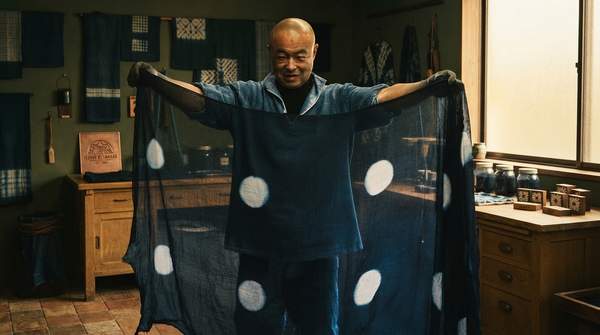
Three Traditions, One Palette: Comparing Chinese Silk Dyeing, Japanese Aizome and Indian Block Printing
This article compares three distinct Asian natural dyeing traditions: Chinese silk dyeing, Japanese Aizome, and Indian block printing. It explores their unique materials, historical evolution, and the ongoing efforts to preserve these rich textile crafts.
Oct 21, 2026 · 5 min read
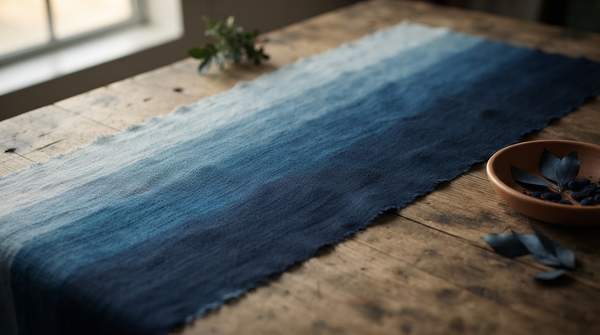
Natural vs. Low-Impact Synthetic Dyes: How to Choose the Right Sustainable Color for Your Textiles
Choosing between natural and low-impact synthetic dyes involves trade-offs: natural dyes offer renewable sourcing but face challenges in performance and scale, while low-impact synthetics provide durability and consistency with a reduced environmental footprint. The right choice depends on brand priorities, production volume, and verifying claims through third-party certifications.
Oct 20, 2026 · 5 min read

Five Features That Decide Your Next Travel Bag: A Trade-Off Guide for Business, Adventure, and Family Travelers
Choosing the right travel bag involves evaluating material, organization, and mobility features against your specific travel style. This guide helps you understand the trade-offs for business, adventure, and family travelers to make a confident, functional choice.
Oct 17, 2026 · 5 min read
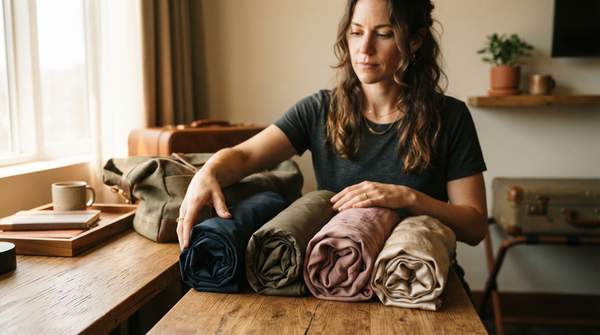
Polyester, Nylon, Tencel, or Silk? Picking the Right Fabric for How You Actually Travel
Polyester and nylon excel in wrinkle resistance, drying speed, and durability for active and one-bag trips. Tencel offers comfort for warm, relaxed itineraries, while silk is a luxury choice for low-demand scenarios, with the best fabric depending on your trip's specific needs.
Oct 17, 2026 · 5 min read
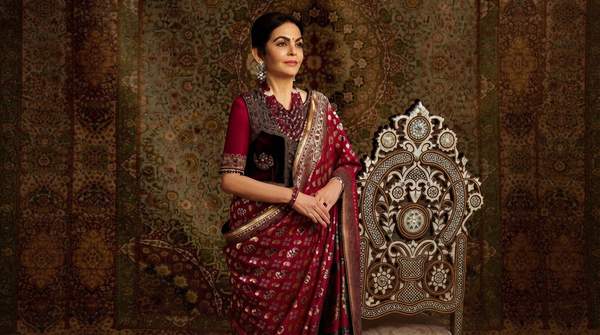
Ashavali Saris: Ahmedabad's Silk-and-Zari Brocade, From Graph Paper to Pit Loom
Ashavali saris are a hand-woven silk and zari brocade tradition from Ahmedabad, known for their intricate patterns and historical royal patronage. This article explores their defining characteristics, iconic motifs, the detailed weaving journey from graph paper to pit loom, and how to identify authentic handloom pieces.
Oct 14, 2026 · 5 min read
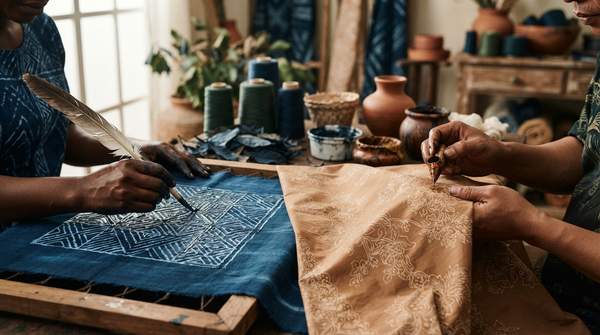
How to Tell Adire and Batik Textiles Apart
Adire and Batik are distinct resist-dyeing traditions often confused. The fundamental differences lie in their cultural origins, primary resist materials (starch paste/tying for Adire vs. hot wax for Batik), and resulting visual effects like crackle patterns.
Oct 11, 2026 · 4 min read
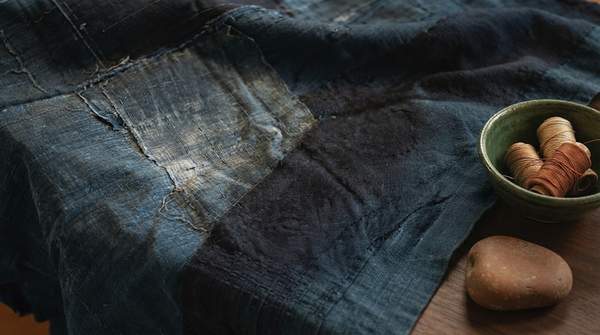
The Enduring Art of Boro: From Necessity to High Fashion
Boro, a traditional Japanese textile born from necessity, involves meticulously patching worn fabrics to extend their life. Once a symbol of poverty, its rich aesthetic and philosophy of 'mottainai' (regret over waste) are now celebrated in global art and luxury fashion, influencing sustainable design.
Oct 9, 2026 · 4 min read
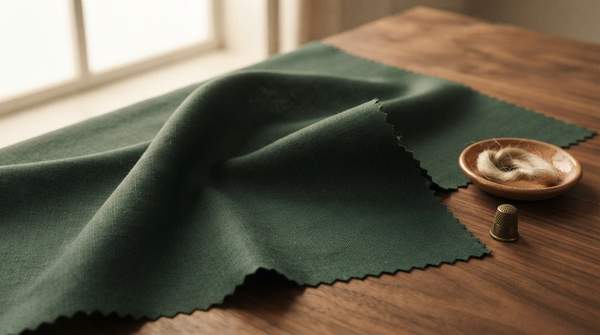
Bio-Based Polymers: The Next Generation of Sustainable Textile Coatings
Bio-based polymers are emerging as sustainable alternatives for textile coatings, offering functional properties and environmental benefits. However, challenges in performance, scalability, and industry standardization currently temper their widespread adoption.
Oct 4, 2026 · 4 min read

The Four Principles Behind Yves Saint Laurent's Iconic White Living Room
Yves Saint Laurent's iconic white Paris living room from the 1970s masterfully demonstrates how to create a layered, warm, and personal monochromatic space. Its enduring appeal lies in four key principles: using a palette of whites, contrasting textures, curating personal collections, and blending design eras.
Oct 4, 2026 · 4 min read

How Punch Cards and Binary Code Wove the Future of Textiles and Computing
The Jacquard loom revolutionized textile manufacturing with its punch card system for complex patterns, making intricate fabrics accessible. This innovation also laid the groundwork for modern computing by demonstrating programmable, binary machine instruction.
Oct 4, 2026 · 4 min read