
Sofia Rios
Editorial byline
Sofia Rios is an editorial byline for Threads & Fabric, with a focus on The Wardrobe Edit, Accessory Notes, Beauty Thread. Biographical credentials and external profiles are published only after verification.
Learn more about our editorial process and use of automation in our AI & Automation disclosure.
Coverage Areas
Latest Articles
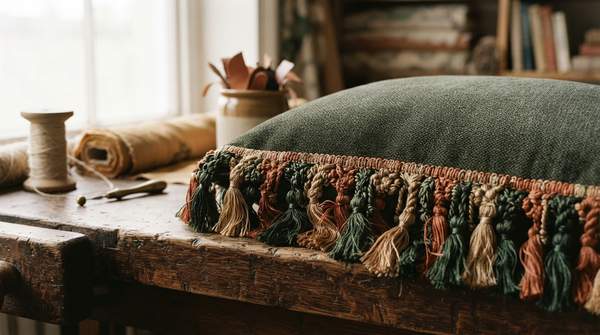
From Unraveling Threads to Ornate Trims: How Fringe Earned Its Place in Home Decor
Fringe originated as a practical solution to prevent fabric edges from unraveling, a technique dating back to ancient civilizations. Over millennia, this functional detail transformed into a decorative element signifying status and style, experiencing revivals in Victorian, Art Deco, and contemporary home design.
Nov 8, 2026 · 4 min read
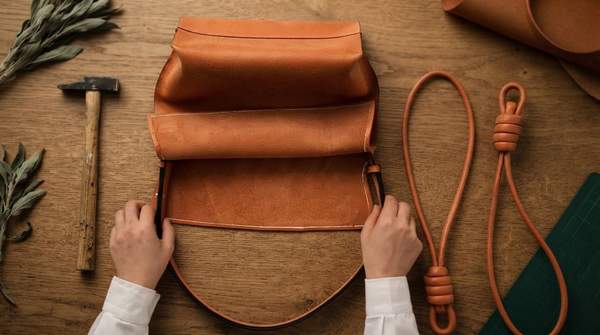
How Interlinings, Stiffeners, and Frames Give a Handbag Its Shape
A handbag maintains its shape and structure through hidden internal reinforcements like interfacings, stiffeners, and frames. The correct selection and application of these materials are crucial for a bag's silhouette, durability, and aesthetic appeal.
Nov 7, 2026 · 4 min read
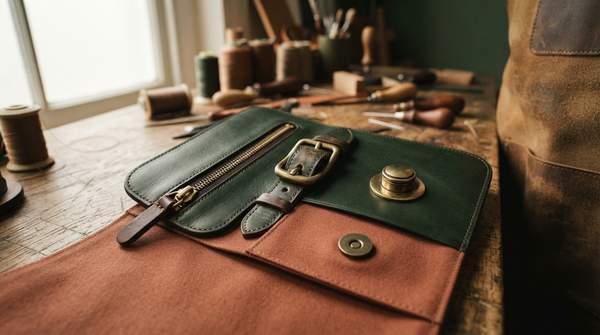
Choosing a Handbag Fastening: How Zippers, Clasps, Buckles, and Magnetic Snaps Compare
This guide compares four common handbag fastening types—zippers, clasps, buckles, and magnetic snaps—across security, aesthetics, and ease of use. It helps designers make informed choices that balance form and function for their bags.
Nov 6, 2026 · 4 min read
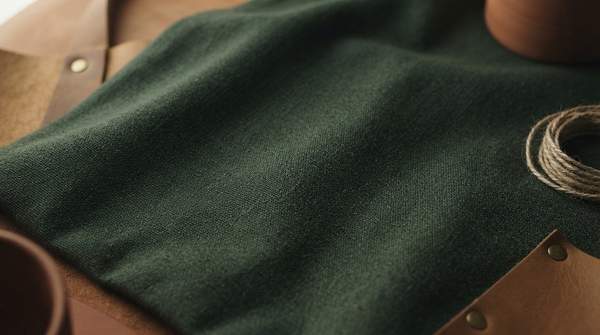
How Fiber, Yarn, and Weave Predict the Way a Fabric Will Feel
You can predict a fabric's feel and drape by understanding its structural components: fiber type, yarn twist, and weave interlacement. Mastering basic weaves like plain, twill, and satin provides a predictive tool for material selection and performance.
Nov 6, 2026 · 4 min read
Making Dye Stay: How Mordants, Post-Treatments and Irradiation Deliver Colorfast Textiles
Achieve durable textile colors through deliberate dye fixation, exploring three main methods: mordanting with metal salts, chemical post-treatments, and modern irradiation techniques. Understanding these processes is key to colorfastness and managing consumer expectations.
Nov 5, 2026 · 6 min read
Two Routes to Skin Trouble: How to Judge Whether a Fabric Is Truly Hypoallergenic
No fabric is truly hypoallergenic; skin irritation stems from either physical allergens trapped in the weave or chemical sensitizers from processing. Understanding these two distinct pathways is crucial for selecting textiles suitable for sensitive skin.
Nov 2, 2026 · 4 min read
Block, Roller, Screen, Inkjet: The Four Shifts That Redesigned Printed Fabric
Explore the evolution of textile printing through four pivotal technologies: woodblock, roller, screen, and inkjet printing. Each innovation built upon the last, dramatically increasing speed, detail, and design flexibility.
Oct 31, 2026 · 5 min read
Best Fabrics for Travel Clothes: How to Choose Between Synthetics, Tencel, and Merino
Choosing the best travel fabric depends on your priorities, whether it's fast drying, odor resistance, or comfort. This guide compares synthetics, Tencel, and Merino wool to help you build a smart travel wardrobe.
Oct 30, 2026 · 4 min read
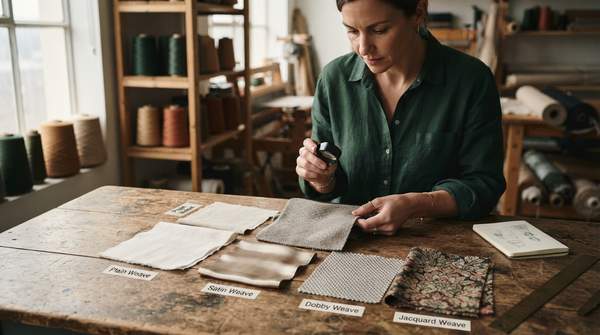
Plain, Twill, Satin, Dobby, or Jacquard? How Weave Structure Decides Your Fabric's Performance
Understanding fabric weave structures like plain, twill, satin, dobby, and jacquard is crucial for selecting materials that perform optimally. This guide explains the typical properties of each weave, helping you match fabric structure to your project's functional requirements for durability, drape, and appearance.
Oct 29, 2026 · 4 min read
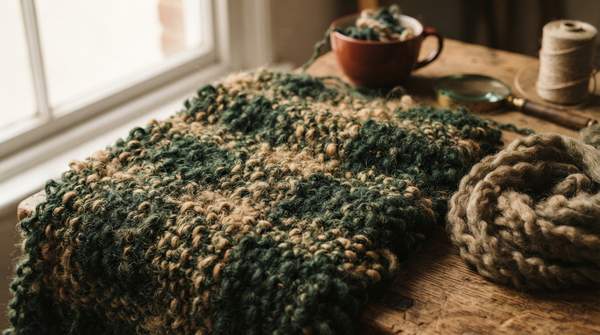
Why Crimped Fibers Make Warmer, Stretchier, Fuller Fabrics
Fiber crimp, the natural waviness in individual fibers, is the key to fabrics' warmth, elasticity, and fullness by trapping insulating air and providing a spring-like structure. Understanding this microscopic geometry helps predict fabric performance, balancing properties like loft and insulation against smoothness and drape.
Oct 28, 2026 · 4 min read
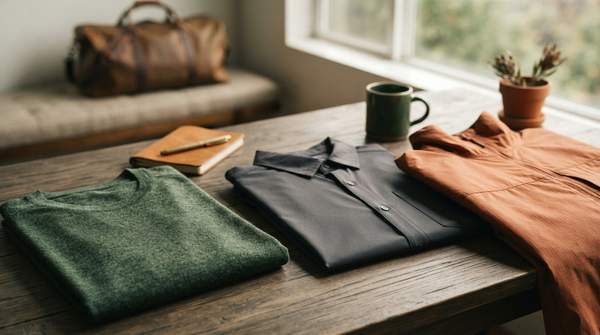
Merino Wool vs. Polyester vs. Nylon: Which Fabric Should You Pack?
Selecting the ideal travel fabric hinges on your trip's demands, as Merino wool excels in odor control and temperature regulation, while polyester and nylon offer superior drying speed and wrinkle resistance.
Oct 28, 2026 · 5 min read
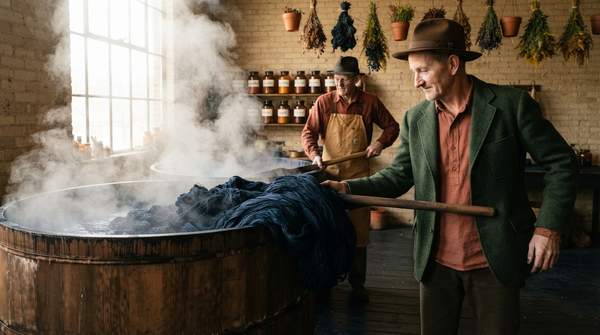
Natural Dyes Are Not Automatically Greener: The Real Trade-Offs in How We Color Cloth
Natural dyes are often perceived as environmentally friendly, but they present their own challenges, including pesticide use, high resource demand, and effluent from mordants. Synthetic dyes, while linked to fossil fuels and water pollution, offer consistency and vibrancy, meaning neither is automatically greener.
Oct 27, 2026 · 4 min read
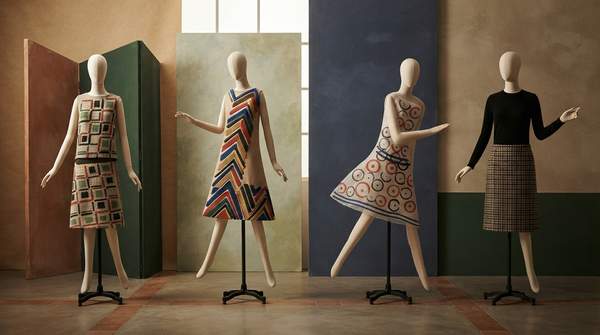
Five Ways to Read an Art Deco Textile: Chevron, Sunburst, and the Patterns That Defined the Style
Art Deco textiles are categorized into identifiable archetypes like chevron, sunburst, and stylized natural forms. This guide explains their visual characteristics and the historical influences that shaped these iconic patterns.
Oct 26, 2026 · 5 min read

How the Little Black Dress Became Fashion's Enduring Canvas
The Little Black Dress (LBD) has endured for nearly a century by acting as a versatile "canvas" for designers to express evolving fashion philosophies through silhouette and material. From Coco Chanel's initial vision to modern interpretations by Alaïa, Bottega Veneta, and The Row, its adaptability defines its iconic status.
Oct 26, 2026 · 4 min read
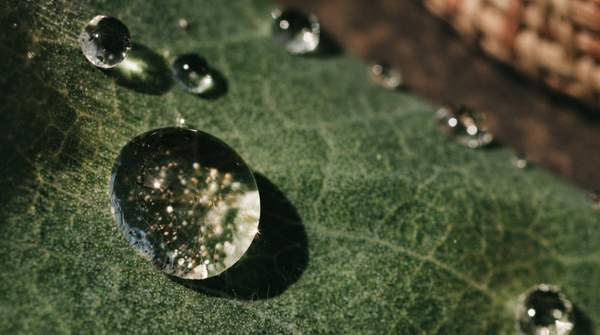
How the Lotus Leaf and Spider Silk Teach Fabrics to Clean Themselves and Last Longer
Biomimicry, inspired by nature's designs like the lotus leaf and spider silk, is revolutionizing textile innovation, translating into fabrics with enhanced self-cleaning, stain-repellent, and superior durability properties.
Oct 25, 2026 · 5 min read
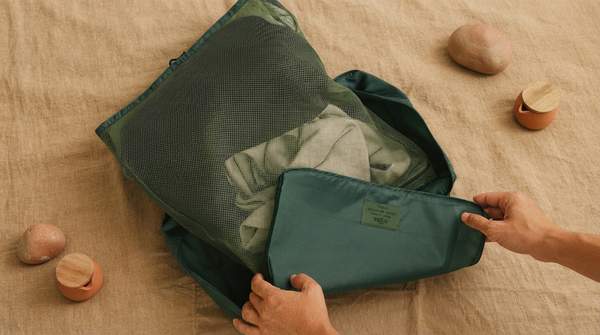
5 Essential Features for a Sustainable Travel Wardrobe: Which Fabrics Actually Deliver
Choosing fabrics for a sustainable travel wardrobe involves balancing performance needs like durability and moisture-wicking with environmental impact. The article recommends merino wool and recycled synthetics for performance, organic cotton and silk for comfort, and suggests monitoring emerging eco-friendly materials.
Oct 25, 2026 · 5 min read

Drape, Durability, or Easy Care? The Five Fabric Properties That Decide Your Capsule Wardrobe
Building a functional capsule wardrobe relies on understanding five core fabric properties: drape, durability, breathability, wrinkle resistance, and ease of care. This guide compares cotton, linen, wool, silk, and Tencel to help you match fabric to garment function.
Oct 24, 2026 · 5 min read
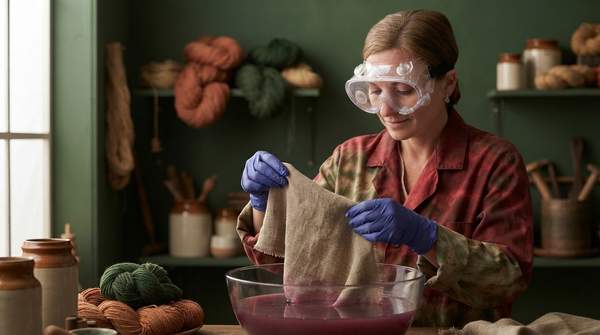
How Two Enzymes Take a Polyester-Cotton Blend Apart — and Give You Glucose and Plastic Monomers Back
A novel dual-enzyme system selectively breaks down polyester-cotton blends, converting cotton into glucose and polyester into its original plastic monomers. This enzymatic approach offers a low-energy, modular pathway for recovering valuable materials from blended textile waste, overcoming limitations of traditional mechanical recycling.
Oct 24, 2026 · 4 min read

How to Spot Art Deco Textile Patterns—and Use Them in Modern Fashion and Interiors
Recognize Art Deco patterns by their disciplined geometry, strict symmetry, and graphic precision, often featuring motifs like sunbursts and zigzags. Adapt these elements with modern materials and cleaner treatments to integrate their luxury and order into contemporary fashion and interiors.
Oct 24, 2026 · 4 min read

Why the Trench Coat Looks the Way It Does: A Military Blueprint That Became Fashion
The classic trench coat's enduring design features, from epaulettes to D-rings, originated as practical solutions for British officers in WWI, engineered for weather protection and gear carrying. This functional blueprint, combined with innovative gabardine fabric, transitioned from military utility to a symbol of enduring style and heritage.
Oct 23, 2026 · 4 min read