
Most everyday summer clothing provides far less protection from ultraviolet radiation than people assume, according to findings from textile and dermatology research. While any fabric can feel like a barrier on a sunny day, its true effectiveness is measured by its Ultraviolet Protection Factor, or UPF. This rating indicates how much of the sun's UVA and UVB radiation a fabric allows to reach your skin. Unlike the SPF rating on sunscreen, which measures only the UVB rays that cause sunburn, UPF accounts for both types of damaging radiation. A garment's protective power is not an accident; it is the direct result of four key properties: the type of fiber, the density of the weave, the color of the material, and any specialized treatments applied during manufacturing.
The Four Pillars of UV Protection in Fabric
The science behind sun-protective clothing rests on four fundamental characteristics that work together to block, absorb, or reflect UV radiation. Understanding these pillars allows you to look beyond a simple UPF tag and assess the inherent qualities of any garment. First is the fiber type. The raw material a fabric is made from establishes its baseline level of UV resistance. Synthetic fibers like polyester and nylon inherently block more radiation than natural fibers such as cotton and linen. Second is the fabric construction. The way fibers are woven or knitted together determines the physical barrier a garment presents.
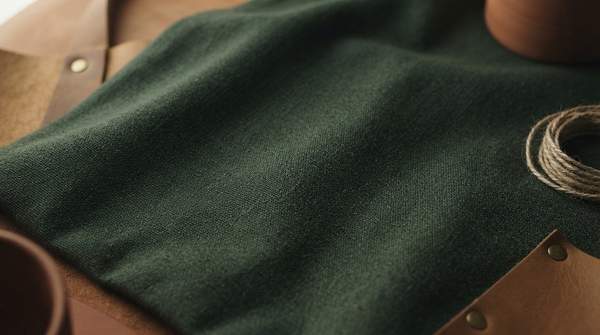
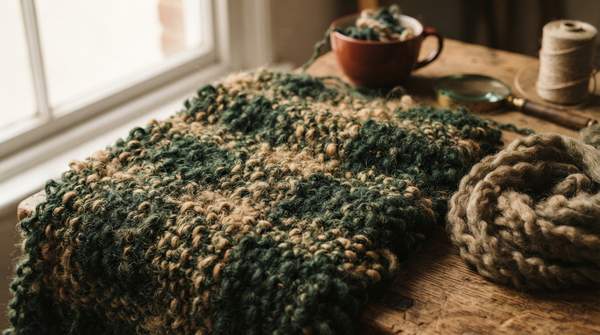
Tightly woven fabrics with minimal space between threads are significantly more protective than loose, sheer, or open-knit materials. Third is the color and dye. Darker and more intensely saturated colors are more effective at absorbing UV rays, preventing them from penetrating the fabric and reaching your skin. Finally, added treatments can dramatically boost a fabric's UPF. Manufacturers can apply chemical dyes that absorb UV light or add mineral particles that reflect it, turning an ordinary textile into a high-performance sun shield.