
Textile Sustainability
4 articles

5 Metrics That Reveal a Textile Supplier's Real Sustainability Performance
Evaluate textile supplier sustainability using five key metrics: water, energy, waste, chemical management, and social conditions. Industry frameworks like Higg Index, ZDHC, and GRI provide verifiable data for accurate assessment.
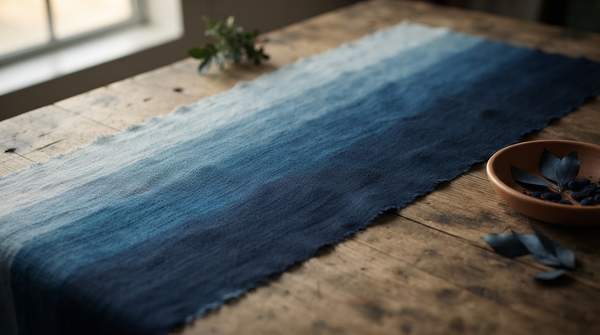
Natural vs. Low-Impact Synthetic Dyes: How to Choose the Right Sustainable Color for Your Textiles
Choosing between natural and low-impact synthetic dyes involves trade-offs: natural dyes offer renewable sourcing but face challenges in performance and scale, while low-impact synthetics provide durability and consistency with a reduced environmental footprint. The right choice depends on brand priorities, production volume, and verifying claims through third-party certifications.
Choosing the Right LCA Scope for Your Textile Product
A Life Cycle Assessment (LCA) is vital for evaluating a textile product's environmental impact, with the choice of scope—Cradle-to-Gate, Cradle-to-Grave, or Cradle-to-Cradle—crucial for aligning with specific sustainability goals and driving informed design decisions.

A Framework for Biomimicry in Textiles: From Inspired Form to Sustainable Systems
Biomimicry in textiles offers a path to sustainability by learning from nature's strategies, but true eco-friendliness depends on the depth of emulation, moving beyond mere form inspiration to process or ecosystem principles. A framework categorizes these levels, highlighting that genuine sustainability requires systemic integration and lifecycle consideration.